
Miele Induction Hob Instructions: A Comprehensive Guide
This manual serves as a comprehensive guide for Miele’s range of ceramic induction hobs, specifically detailing the operation and installation procedures for models KM 6322, KM 6323, KM 6347, and KM 6348.
Understanding Your Miele Induction Hob
Miele induction hobs represent a pinnacle of modern kitchen technology, offering precise control and efficient heating. These hobs utilize electromagnetic energy to directly heat cookware, resulting in faster cooking times and reduced energy consumption compared to traditional methods. Understanding the core principles of induction heating is crucial for optimal performance.
Unlike gas or electric hobs, induction requires cookware with a ferromagnetic base – meaning it must be attracted to a magnet. The hob generates a magnetic field, and when a compatible pan is placed on the zone, this field induces a current within the pan itself, creating heat. The hob surface remains relatively cool to the touch, enhancing safety.
Miele induction hobs often feature advanced functionalities like TwinBooster for increased power and TempControl for precise temperature management, elevating the cooking experience. Familiarizing yourself with these features will unlock the full potential of your appliance.
Safety Precautions and Warnings
Prioritize safety when operating your Miele induction hob. This appliance generates significant heat and utilizes electromagnetic energy, requiring careful attention to prevent accidents and ensure longevity. Always read all instructions thoroughly before initial use, paying close attention to the 27 important safeguards detailed in the provided documentation.
Never operate the hob with a damaged surface or controls. Keep the area around the hob clear of flammable materials. Individuals with pacemakers or other implanted medical devices should maintain a safe distance, as the electromagnetic field may cause interference. Ensure proper ventilation during operation.
Exercise caution when cooking with liquids, as they can heat rapidly and cause burns. Supervise children closely when the hob is in use. Disconnect the appliance from the power supply during cleaning and maintenance. Following these precautions will contribute to a safe and enjoyable cooking experience.
Initial Setup and Installation
Proper installation is crucial for optimal performance and safety of your Miele induction hob. Before commencing, verify that your kitchen’s electrical system meets the hob’s power requirements – consult a qualified electrician if unsure. Ensure the countertop is level, stable, and constructed of a heat-resistant material.
Carefully unpack the hob and inspect for any damage incurred during shipping. Follow the detailed installation instructions provided in the accompanying documentation, paying close attention to ventilation requirements. Securely mount the hob to the countertop using the provided mounting brackets, ensuring a flush and stable fit.
Once physically installed, connect the hob to the electrical supply, adhering to all local electrical codes. Perform a preliminary test run to confirm proper functionality before first use. Refer to the manual for specific model installation diagrams and troubleshooting tips.
Control Panel Overview & Operation
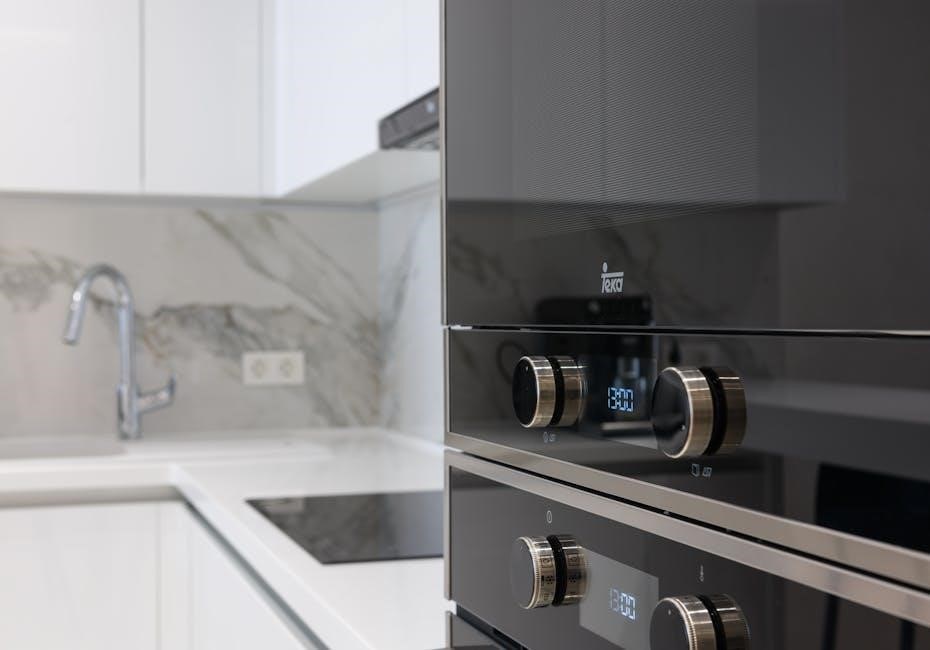
The Miele induction hob’s control panel is designed for intuitive and precise operation. Typically, it features touch-sensitive controls or rotary dials for selecting heating zones and adjusting power levels. Familiarize yourself with the symbols representing various functions, such as power stages, timers, and special features like TwinBooster and TempControl.
To activate a heating zone, simply select it on the control panel and choose the desired power level. Many models offer a slider function for fine-tuning the heat. Utilize the timer function to set cooking durations, ensuring dishes are cooked to perfection. Explore the dedicated buttons for accessing advanced features, enhancing your cooking experience.
Refer to the detailed diagrams in the user manual for a comprehensive understanding of each control’s function and operation. Practice using the controls to become comfortable with their responsiveness and precision.
Understanding the Heating Zones
Miele induction hobs feature intelligently designed heating zones, optimized for various cookware sizes and cooking needs. These zones utilize electromagnetic energy to directly heat the cookware, offering rapid and efficient heating. The number and arrangement of zones vary depending on the specific model, but generally include standard zones for everyday cooking.
Beyond standard zones, many Miele hobs incorporate specialized areas like Flex Zones, which combine multiple zones into a single, larger surface for accommodating oversized pots and pans. Understanding the layout of your hob’s zones is crucial for maximizing cooking flexibility and efficiency. Always ensure your cookware is induction-compatible for optimal performance.
Refer to your model’s specific documentation to identify the characteristics of each zone and its intended use.
Zone Types: Regular, Booster, and Flex Zones
Miele induction hobs offer a variety of zone types to cater to diverse cooking requirements. Regular zones are standard heating areas suitable for everyday cooking tasks. Booster zones provide a temporary power increase for rapid heating or boiling, significantly reducing wait times – ideal for bringing liquids to a quick boil.
Perhaps the most versatile are Flex Zones. These zones intelligently combine multiple individual heating elements into one larger, flexible surface. This allows you to use irregularly shaped or oversized cookware that wouldn’t normally fit on a standard hob. The hob automatically detects the size of the pan and adjusts the heating area accordingly.
Understanding these zone distinctions allows for optimized cooking and energy efficiency.
TempControl Functionality Explained
Miele’s TempControl is a revolutionary feature designed to maintain precise cooking temperatures for optimal results. Unlike traditional methods relying on power levels, TempControl allows you to set a specific temperature for your pan – for example, 160°C for slow frying or 220°C for searing.
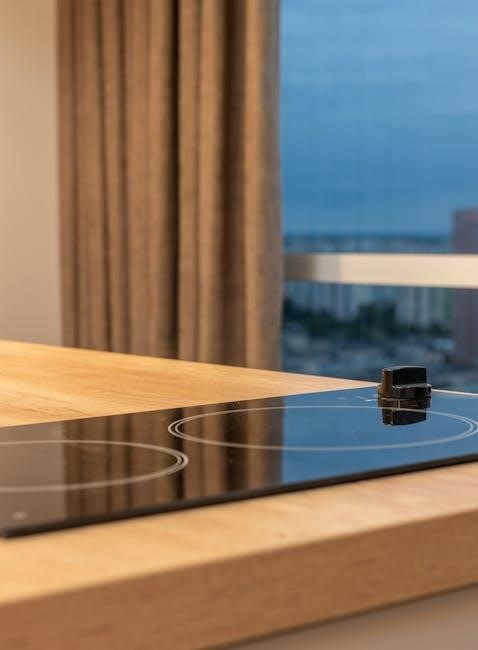
The hob continuously monitors the pan’s temperature using a sensor and automatically adjusts the power to maintain your desired setting. This prevents burning, ensures consistent cooking, and eliminates guesswork. It’s particularly useful for delicate sauces, chocolate work, or keeping food warm without overcooking.
TempControl zones are clearly marked on the hob, and the temperature can be easily adjusted using the control panel. This feature elevates your cooking experience to a professional level.
Using the TwinBooster Function
Miele’s TwinBooster function dramatically increases the power output of two adjacent cooking zones, enabling exceptionally fast heating – perfect for bringing large pots of water to a boil quickly or rapidly searing meat. This feature combines the power of both zones, delivering significantly more heat than a standard booster.
To activate TwinBooster, simply select two adjacent zones and activate the booster function on both. The control panel will indicate when TwinBooster is engaged. Remember that TwinBooster utilizes a substantial amount of power, so ensure your electrical installation can handle the increased load.
Once activated, the zones operate in tandem, providing unparalleled heating performance. After use, the TwinBooster function automatically deactivates.
Specific Model Features (KM 6322, KM 6323, KM 6347, KM 6348)
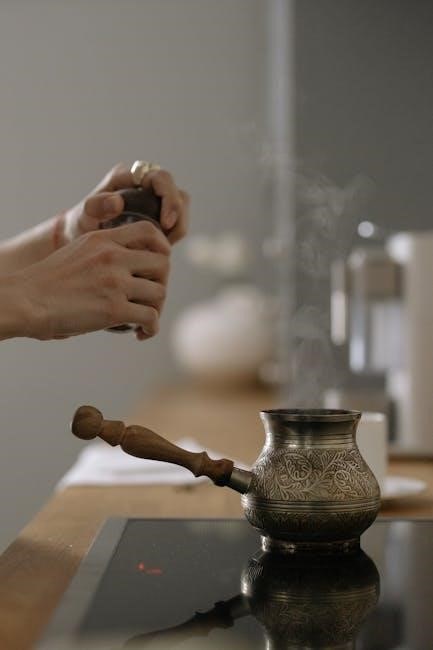
While sharing core functionality, Miele induction hob models KM 6322, KM 6323, KM 6347, and KM 6348 exhibit subtle differences. The KM 6322 and KM 6323 typically feature standard heating zones with booster functionality, offering reliable performance for everyday cooking. Models KM 6347 and KM 6348 introduce the Flex zones, providing greater flexibility in pot placement and size.
Furthermore, the KM 6347 and KM 6348 incorporate the TempControl function, allowing precise temperature management for delicate dishes. These models also boast enhanced user interfaces for intuitive operation. All models support the TwinBooster function for rapid heating, but the specific implementation may vary slightly.
Consult your specific model’s documentation for detailed feature descriptions and operational nuances.
Cleaning and Maintenance
Maintaining your Miele induction hob ensures longevity and optimal performance. Regular cleaning after each use is crucial; wipe the surface with a damp cloth and mild detergent to remove spills and residue. Avoid abrasive cleaners, scouring pads, or harsh chemicals, as these can damage the glass ceramic surface.
For stubborn stains, utilize a specialized ceramic hob cleaner, following the manufacturer’s instructions carefully. Always ensure the hob is cool before applying any cleaning product. Prevent sugar spills from burning onto the surface, as these can cause permanent damage.
Regularly inspect the hob for any scratches or cracks, and address them promptly to prevent further deterioration. Proper care will keep your Miele induction hob looking and functioning like new.
Recommended Cleaning Products
Miele recommends specific cleaning products to maintain the pristine condition of your induction hob’s surface. For daily cleaning, a simple solution of warm water and mild dish soap is often sufficient. However, for more stubborn residues, Miele offers its own dedicated ceramic hob cleaning products, designed to effectively remove burnt-on food and stains without causing damage.
Avoid using abrasive cleaners, scouring pads, or harsh chemicals like bleach or ammonia, as these can scratch or discolor the glass ceramic. Specialized ceramic hob scrapers can safely remove particularly difficult deposits when used correctly – always follow the scraper’s instructions.
Microfiber cloths are ideal for polishing the surface after cleaning, leaving it streak-free and sparkling. Always ensure any cleaning product residue is thoroughly removed before using the hob.
Avoiding Damage to the Hob Surface
Protecting your Miele induction hob’s glass ceramic surface is crucial for longevity and performance. Avoid sliding heavy pots and pans across the surface, as this can cause scratches. Lift cookware instead. Never use the hob as a work surface or cutting board, as this will inevitably lead to damage.

Be cautious with sugar spills; quickly remove melted sugar with a ceramic hob scraper while the surface is still warm, as it can cause pitting if left to cool. Similarly, avoid spilling liquids with high sugar content.
Do not place plastic or aluminum foil directly onto the hob surface, as they can melt or leave residue. Always use cookware with a smooth, flat base suitable for induction heating to ensure efficient operation and prevent scratches.
Troubleshooting Common Issues
Encountering issues with your Miele induction hob can be frustrating, but many problems have simple solutions. If the hob doesn’t heat, first check the power supply and ensure the cookware is induction-compatible. Verify the selected heating level isn’t set to zero.
Error codes indicate specific problems; consult your user manual for a detailed explanation of each code and recommended actions. Common errors relate to incorrect cookware, overheating, or sensor malfunctions.
If a zone isn’t responding, try switching it off and on again. For persistent issues, a reset of the hob may be necessary – refer to the manual for instructions. If problems continue, do not attempt self-repair; contact Miele’s customer support or a qualified technician.
Error Codes and Their Meanings
Miele induction hobs utilize error codes to diagnose issues, providing valuable information for troubleshooting. Understanding these codes is crucial for efficient problem-solving. For example, a flashing “E1” often indicates an issue with the internal electronics, requiring professional service.
“E2” typically signals a communication error between the control panel and the hob’s components. “F0” might suggest an overheating situation, prompting the hob to automatically shut down for safety. A code related to cookware, like “E3”, suggests non-compatible pots or pans are being used.
Always consult your specific model’s manual for a complete list of error codes and their corresponding solutions. Ignoring error codes can lead to further damage or unsafe operation. Document the code before contacting support for faster assistance.
What to Do If the Hob Doesn’t Heat
If your Miele induction hob isn’t heating, several checks are necessary before calling for service. First, ensure the hob is properly connected to a functioning power outlet and the circuit breaker hasn’t tripped. Verify the cookware is induction-compatible – only ferrous metal pots and pans will work.
Confirm the correct heating zone is selected and a power level is set. Check for any displayed error codes, as these pinpoint the issue. A dirty hob surface can sometimes interfere with heat transfer, so clean it thoroughly.
If the problem persists, try resetting the hob by briefly switching off the power supply. If none of these steps resolve the issue, contact Miele’s customer support or a qualified technician for assistance, providing the model number and any error codes.
Environmental Considerations & Disposal
Miele prioritizes environmental responsibility throughout the lifecycle of its induction hobs. These appliances are designed for longevity and energy efficiency, minimizing their overall environmental impact. When the hob reaches the end of its useful life, responsible disposal is crucial.
Do not dispose of the hob with household waste. Instead, utilize designated collection points for electrical and electronic equipment recycling. This ensures valuable materials are recovered and properly processed, reducing landfill waste and conserving resources.
Miele actively participates in take-back schemes in many regions, offering convenient options for recycling old appliances. Contact your local Miele representative or visit the Miele website for information on recycling programs and proper disposal procedures in your area.
Technical Specifications
Miele induction hobs, including models KM 6322, KM 6323, KM 6347, and KM 6348, boast advanced technology and precise engineering. Typical power requirements range from 220-240V, 50/60Hz, with varying power consumption depending on the specific model and heating zone usage.
The hob’s construction utilizes high-quality ceramic glass, offering durability and ease of cleaning. Induction zones operate at different power levels, often including booster functions for rapid heating. Zone diameters vary to accommodate different cookware sizes.
Connectivity features, such as Wi-Fi for remote control and monitoring, may be available on select models. Detailed specifications, including dimensions, weight, and energy efficiency ratings, are provided in the individual product manuals and on the official Miele website. Always refer to the specific model’s documentation for accurate technical details.
Warranty Information
Miele induction hobs are covered by a standard manufacturer’s warranty, providing peace of mind to customers. The duration of the warranty typically ranges from one to two years, depending on the region and specific model purchased. This warranty covers defects in materials and workmanship under normal household use.
The warranty does not cover damage resulting from misuse, improper installation, accidents, or unauthorized repairs. It’s crucial to register your Miele induction hob promptly after purchase to activate the warranty coverage. Proof of purchase, such as a receipt or invoice, is required for any warranty claims.
Extended warranty options may be available for purchase, offering additional protection beyond the standard warranty period. For detailed warranty terms and conditions, and to initiate a claim, please visit the official Miele website or contact your local Miele service center.
Locating Service Centers & Support
Miele provides comprehensive support for its induction hob owners through a network of authorized service centers and online resources. To locate the nearest service center, visit the official Miele website and utilize the dealer locator tool, entering your postal code or city. This tool will display a list of authorized service providers in your area.
Miele’s customer support team is available to assist with any questions or concerns you may have regarding your induction hob. You can reach them by phone or email, with contact details readily available on the Miele website. Online resources, including FAQs, troubleshooting guides, and downloadable manuals, are also available.
For urgent issues or complex repairs, it’s recommended to schedule a service appointment with an authorized Miele technician. Ensure you have your model number and serial number readily available when contacting support or scheduling a service visit.